How royal ring replica Is a Must-Have Collectible
Acquiring Royal Diamonds: A Savvy Choice for Luxury Collectors
Acquiring royal diamonds presents a distinctive chance for luxury collectors. These gems contain both historical significance and potential for financial appreciation. Their rarity and the stories behind them enhance their appeal. As the market evolves, understanding the variables impacting their value becomes essential. What strategies can collectors employ to navigate this niche investment landscape? The answers may redefine perceptions of luxury assets.
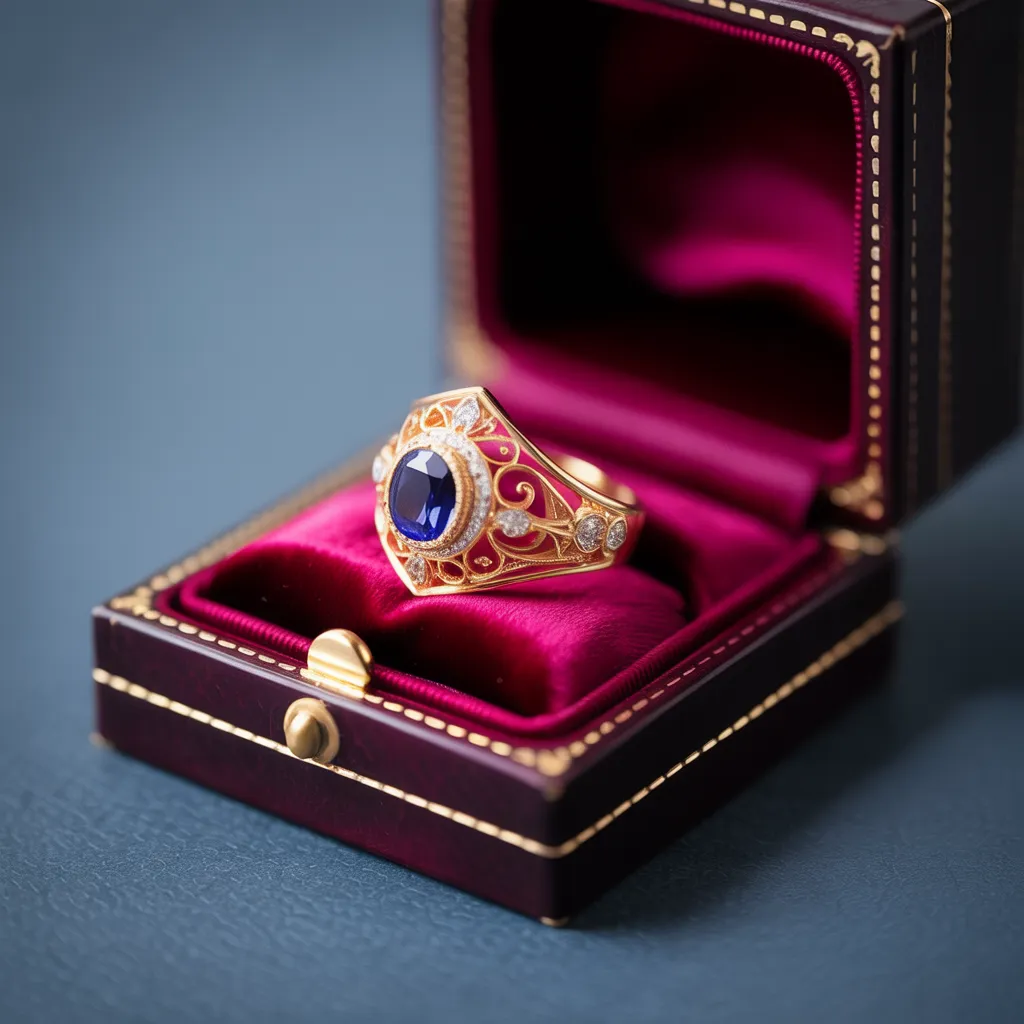
The Historical Value of Royal Diamonds
While royal diamonds have fascinated the imagination for hundreds of years, their historical significance goes far beyond mere beauty. These precious stones have functioned as symbols of dominance, wealth, and influence throughout diverse cultures and periods. Many royal diamonds were deeply tied to major events, such as coronations, treaties, and commemorations, therefore becoming essential to national identity and legacy.
As an illustration, the Koh-i-Noor diamond, originally from India, has a remarkable past encompassing various rulers and empires before securing its place in the British crown jewels. Likewise, the Hope Diamond, with its rich blue hue, bears legends of curses and misfortune, demonstrating the fascinating narratives that frequently surround these exceptional stones.
These regal gems not only represent individual royal lineages but also showcase the artistic craftsmanship of their era, demonstrating the evolution of jewelry design throughout history. Consequently, their significance transcends mere adornment, anchoring them firmly in the annals of history.
Determining the Quality of Royal Diamonds
Royal diamond evaluation involves a comprehensive methodology that examines historical, cultural, and market considerations. Historically, the provenance of a royal diamond can greatly enhance its value; diamonds with ties to royalty or notable figures often command premium prices. In cultural terms, the symbolism and significance assigned to these diamonds add layers of desirability, appealing to collectors and investors alike.
Additionally, the rarity of specific royal diamonds contributes to their elevated status in the luxury market. The unique characteristics of each stone, including cut, clarity, carat weight, and color, are essential in determining value. Collectors commonly seek diamonds that demonstrate exceptional craftsmanship and artistry, as these qualities increase both visual appeal and investment potential.
In the end, the valuation process demands a comprehensive understanding of these varied elements, making sure that potential investors understand the intrinsic worth of royal diamonds in the more extensive context of luxury collectibles.
Aspects Impacting the Luxury Diamond Sector
As the high-end diamond industry develops, several factors play a crucial role in shaping demand and pricing. Financial circumstances significantly impact consumer spending power; when economic conditions are favorable, luxury items typically experience higher demand. Furthermore, style trends and celebrity sponsorships can sway public interest, often leading to surges in demand for particular diamond varieties, including royal diamonds.
Scarcity also impacts market value; unique stones with rare colors or historical significance attract detailed article collectors and investors alike. The emergence of ethical sourcing has altered consumer preferences towards diamonds with transparent origins, encouraging brands to adapt their offerings.
Technical innovations in diamond grading and marketing have strengthened transparency and education, enabling buyers to make well-informed decisions. Additionally, global geopolitical factors can influence supply chains and market stability, further affecting luxury diamond pricing. Combined, these influences generate a dynamic market landscape for luxury diamonds, requiring careful consideration by potential investors.
Advice for Building Wealth with Royal Diamonds
Investing in royal diamonds requires a strategic approach, especially given the unique factors that impact their market. Prospective investors should prioritize authenticity and provenance; acquiring certified diamonds with documented histories can considerably enhance value. In addition, understanding the four Cs—cut, color, clarity, and carat weight—is vital for assessing quality and making informed purchases.
Investors must remain informed about market trends, as demand can vary based on fashion and economic conditions. Networking with reputable dealers and attending luxury auctions can provide valuable insights and opportunities. Furthermore, evaluating the uniqueness and rarity of specific diamonds can lead to enhanced investment returns.
Lastly, it is advisable to maintain a varied portfolio that encompasses various types of luxury assets, as this can reduce risk. By implementing these strategies, investors can handle the complexities of the royal diamond market more effectively and optimize their investment potential.
Investment Potential: The Future of Royal Diamonds
How might the future landscape of royal diamonds as an investment evolve in the coming years? Professionals in the field foresee intensifying interest in royal diamonds motivated by escalating demand from luxury enthusiasts and investors. Given continued financial uncertainty, hard assets like royal diamonds will probably increase in desirability, acting as a safeguard against inflation and economic turbulence.
The rarity and historical significance of royal diamonds may additionally increase their worth. Moreover, advancements in technology may optimize the authentication and grading processes, making it easier for potential investors to assess their worth. Sustainability also serves a vital function; ethically sourced stones may grow more desirable, corresponding to consumer values.
Furthermore, the emergence of online platforms for trading luxury assets could provide greater access to royal diamonds, appealing to a new generation of investors. In general, the future of royal diamonds as an investment appears favorable, blending tradition with modern investment strategies.
Frequently Asked Questions
What Are History's Most Celebrated Royal Diamonds?
Historically significant royal diamonds include the Koh-i-Noor, the Hope Diamond, the Cullinan Diamond, and the Dresden Green Diamond. Every one possesses remarkable tales and attributes, contributing to their esteemed status in royal and cultural heritage.
Can Royal Diamonds to Be Insured?
Yes, royal diamonds can be insured. Protection plans are offered to shield these precious gems against damage, theft, or loss, often requiring appraisals to evaluate their monetary value and secure appropriate coverage for collectors.
How Should I Care for My Royal Diamond?
To care for a royal diamond, you should clean it regularly with a soft cloth, keep away from harsh chemicals, and store it separately to prevent scratches. Routine professional inspections will ensure its brilliance and integrity remain intact.
Do Replica Royal Diamonds Exist?
Yes, replica royal diamonds are available in the market. The quality and appearance of these imitations can differ, typically crafted to replicate authentic stones while offering greater affordability for people who admire the appearance without the investment.
How Do Royal Diamonds Stack Up Against Other Luxury Investments?
Royal diamonds frequently provide greater rarity and historical significance when contrasted with other luxury investments, such as art or watches. Their unique characteristics can result in higher appreciation potential, drawing collectors seeking exclusive assets in a competitive market.